
Add Row
Add Element
cropper
update
In Financial News
update
Add Element
  • Home
  • Categories
    • Financial Planning
    • Wealth Adviser
    • Miscellaneous
    • Fin Storey
    • Washington News
    • Small Business
    • Small Business
    • National Financial News
April 02.2025
3 Minutes Read

Next Generation Advisors Favor Client-Focused Roles Over Cold Calling

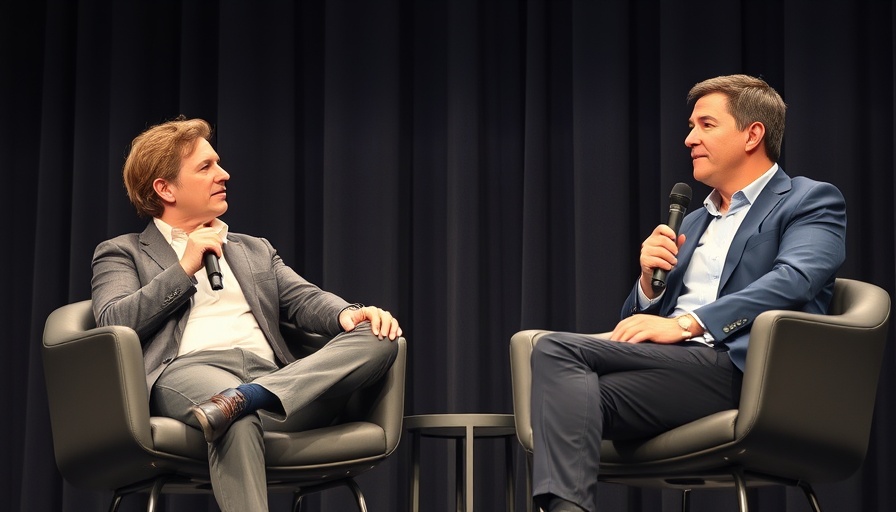
Professionals discussing financial planning at a conference.

Rethinking Wealth Management: The Shift from Cold Calling to Client-Centric Models

As the landscape of wealth management evolves, a significant transformation is underway concerning how new-generation advisors engage with clients. At the RIA Edge Nashville conference, experts highlighted an emerging trend: the next generation of financial advisors is less interested in the traditional cold-calling methodologies that have dominated the industry for decades. Instead, they yearn for a role that emphasizes building trust and delivering personalized financial advice.

What’s Driving the Change?

Arthur Ambarik, CEO of Perigon Wealth Management, articulated a key point during the discussions: the professionalization of financial advising is redefining the nature of the job. Ambarik stated, “They won’t have to be these rainmakers... They will be trusted professionals who provide holistic financial advice.” This evolution points toward a future where successful advisors focus on client relationships rather than traditional sales tactics, an approach that is resonating with younger professionals seeking meaningful careers.

The Role of Technology in Enhancing Client Relations

Technological advancements are fundamentally changing how advisors manage client relationships and portfolios. With more firms investing in fee-based advisory services and sophisticated digital tools, younger advisors are provided with resources that enhance their ability to offer personalized advice and strategic insights. These changes indicate a shift in the skill sets that industry leaders value—prioritizing analytical capabilities and emotional intelligence over salesmanship.

New Career Opportunities Within Wealth Management

The increased professionalism in the industry is opening doors to diverse roles that go beyond just being a traditional financial advisor. Lisa Crafford from Constellation Wealth Capital discussed how, within evolving firms, advisors see emerging titles such as Chief of Staff and Director of Marketing. These positions underscore the multi-faceted nature of modern wealth management, where collaboration and teamwork enhance the advisor-client relationship.

Client-Centric Structure Equals Increased Value

Phil Fiore, co-founder and CEO of Procyon Partners, emphasized the importance of dedicated operational teams in supporting financial advisors’ work. Firms are increasingly structured in a way that allows advisors to center their focus on client interactions instead of administrative tasks. The focus is clear: enhancing client relationships leads to better outcomes for both advisors and their clients, which ultimately results in sustainable organic growth for wealth management firms.

Future Growth and Predictions for Wealth Advisors

The trajectory for new advisors in wealth management appears promising, especially as firms align their operational models to attract top talent. The potential for advisors to thrive in roles that prioritize client service could reshape industry standards, making the field more appealing for prospective recruits. As the next generation seeks fulfilling careers, the wealth management sector must continue to adapt, embracing a philosophy that is holistic rather than transactional.

As financial planners and wealth advisors reflect on these insights, it's crucial to consider how to position yourself within this evolving landscape. Are you ready to embrace a client-centric model and focus on delivering tailored financial planning services that align with these trends? If you think about your best value as fostering relationships and providing insightful planning, then adapting to these changes will not just be beneficial, but essential for thriving in the evolving marketplace.

Financial Planning

2 Views

0 Comments

Write A Comment

*
*
Related Posts All Posts
01.17.2026

Wells Fargo and Credent Wealth Lead New Trends in Financial Planning

Update The Evolution of Wealth Management Strategies The current landscape of wealth management is experiencing a significant shift as firms adapt to a competitive market and the demand for comprehensive financial services continues to grow. This week witnessed notable developments in the sector, particularly with the news of Wells Fargo Advisors' Financial Network successfully attracting a $1.3 billion asset team from Commonwealth Financial Network. This move emphasizes the fierce competition among wirehouses and independent broker-dealers to retain top advisory talent, as firms strive to enhance their service offerings and client engagement strategies. Competitive Landscape and Strategic Acquisitions As noted in recent reports, firms like Credent Wealth Management are not only expanding their wealth of assets but also strategically acquiring other advisory practices to bolster their market presence. Credent's acquisition of MainStreet Financial Advisors and First State Investment Advisors marks a significant consolidation in the industry, bringing together resources to provide elevated client experiences and innovative solutions. This type of growth strategy proves critical as firm leaders look to scale capabilities while addressing potential succession issues that many firms face as seasoned advisors prepare to retire. Implications for Financial Advisors For financial planners and wealth advisors, these market maneuvers highlight the importance of adaptability in today’s financial landscapes. As the environment changes, there is an increasing need for educators in the field to enhance their understanding of succession planning and M&A strategies. Ultimately, advisors must consider how shifts in their advisory landscape could impact their practice and the opportunities available through compliant transitions to independence or alternative structures, potentially improving their client relationships. The Future of Wealth Management: Innovation or Tradition? While many firms are leaning into technological advancements with tools that streamline operations and enhance client engagement, the traditional values of trust and personal connection remain vital. Several advisors from acquired firms have expressed enthusiasm about integrating their practices with those of their new partners for better resource access and comprehensive client support. This reflects not only a merging of companies but also the blending of cultures that support client-focused objectives. Building Relationships in a Competitive Environment The success of these financial management firms depends heavily on maintaining strong relationships not only with clients but also with each other. In an environment where advisors are increasingly willing to transition to independent models, the need for firms to present a compelling case for collaboration over competition is essential. There’s a growing demand for transparent, communicative practices that build trust with clients while reinforcing financial planners' critical role in their wealth journeys. In conclusion, the movement observed last week with Wells Fargo's FiNet and Credent Wealth Management highlights just a piece of the rapidly changing wealth management landscape. Financial planners and wealth advisors should prepare for an environment where adaptability, strategic partnerships, and a focus on long-term relationships are paramount. If you are a financial adviser navigating these changes or a firm considering succession planning and growth strategies, now is the time to evaluate possible collaborations or expansions within your practice. Connect with other firms to explore innovative solutions while addressing industry shifts.

01.17.2026

Cohen Capital Advisors: Pioneering Independence in Financial Planning

Update Independence in Financial Services: Cohen Capital Advisors Emerges In an intriguing shift within the advising landscape, Benjamin Cohen and his team of accomplished advisors, previously with Raymond James, have launched their own registered investment advisory firm, Cohen Capital Advisors, based in Chicago. This major transition not only highlights a trend towards independence among financial advisors but also serves regional clients a tailored approach to wealth management. The Strategy Behind the Transition The move is part of a broader strategy that many advisors are adopting to enhance their service delivery. By establishing themselves as an independent firm, Cohen and his colleagues can make strategic choices that best align with client needs, such as selecting Fidelity and Schwab as custodians—sources known for their robust technological platforms and customer service capabilities. Building on a Legacy of Success With a history of managing $1 billion in assets at Raymond James, the new team brings significant expertise. This includes seasoned professionals like Michael Cohen, James Appel, and several others committed to maintaining high standards while improving infrastructure to serve their clients better. According to their website, their independence will allow for superior planning capabilities and greater responsiveness to client needs. Market Trends: Independence on the Rise This emerging trend of financial advisors establishing their independent practices reflects a shift in the broader financial advisory industry. According to recent reports, many advisors are leaving traditional brokerage models for greater freedom to serve their clients' best interests. This trend speaks to a growing demand for personalized service in the face of an increasingly automated financial environment. Future Implications for the Financial Advisory Landscape As Cohen Capital Advisors begins its journey, its success could influence future market dynamics significantly. Should they thrive, it could lead to more institutions recognizing the value of personalized service, which may change how larger firms operate as they strive to maintain their talent. Call for Enhanced Financial Planning Practices If you are interested in adapting your financial strategies or exploring innovative approaches to wealth management, now is the time to reassess your options. Engaging with independent advisories like Cohen Capital Advisors can provide a fresh perspective and more personalized insights for building your financial future. Stay informed about industry trends, strategies, and insights that can empower your financial journey as an investor or an advisor.

01.16.2026

Betterment's Cybersecurity Incident: A Crucial Lesson for Financial Advisors

Update Understanding the Recent Breach at Betterment: A Wake-Up Call for Financial Advisors In an age where cyber threats are pervasive, the financial services sector stands as a prime target. Recent events involving Betterment, a leading automated investment service, serve as a cautionary tale for wealth advisors and financial planners. Following a social engineering attack, Betterment informed its users about unauthorized access to customer data, including names, email addresses, and phone numbers, although no accounts or passwords were compromised. The incident highlights a method employed by increasingly savvy fraudsters — utilizing identity impersonation to gain access to sensitive systems and data. Reports indicate that an unauthorized individual masqueraded as a trusted entity within the company, leveraging third-party software used for marketing and operations to send a fraudulent crypto promotion to customers. The implications of such an attack leave many in the financial advisory community questioning their own cybersecurity measures. A Deep Dive into Social Engineering Attacks Social engineering attacks have become alarmingly common, representing a significant threat to firms that handle sensitive financial data. According to recent findings, these attacks have jumped 56% last year alone, marking a concerning trend for businesses of all sizes. In light of Betterment’s breach, experts urge advisors to remain vigilant. Maxwell Alles, CEO of a cybersecurity managed services firm, points out that while many technical breaches can be thwarted with the right systems in place, the nuanced deceptions of social engineering present an ever-growing challenge. The Betterment incident illustrates that technological defenses must be paired with robust staff training and awareness programs. Implications for Financial Advisors: Being Cyber Prepared For financial advisors, staying cyber-savvy is not optional; it’s a necessity. This situation underscores the critical need for investment in cybersecurity protocols, employee training, and verification procedures. Implementing solutions, such as email sign-in monitoring and conditional access policies — which require verification from company-protected devices — can significantly mitigate risks. Furthermore, as the attack exploited Betterment’s email system, firms should prioritize secure email practices, encouraging employees to authenticate unexpected messages and avoid sharing sensitive information through insecure channels. Future Considerations for Cybersecurity in the Financial Sector The incident at Betterment serves as a reminder for the financial industry to bolster its cybersecurity architecture comprehensively. As customer trust is paramount in financial services, breaches like this have tangible repercussions on reputation, operations, and even regulatory compliance. Looking ahead, advisors must not only be reactive but also proactive, leveraging insights from such breaches to inform their comprehensive risk management strategies. Engaging third-party security assessments and collaborating with experts in the cybersecurity domain are crucial steps to fortify their defenses. Empower Yourself with Knowledge The complexities of cybersecurity in the financial advisory realm cannot be overstated. Advisors must be empowered with knowledge and tools to navigate this threat landscape effectively. Financial firms should frequently review their cybersecurity frameworks, enforce stringent protocols, and ensure all employees remain educated about potential social engineering tactics. For those in the financial advisory space, it’s time to ask yourself — how prepared are you against the growing tide of cyber threats? Regular training, periodic risk assessments, and adopting advanced cybersecurity tools can make all the difference in safeguarding not just your firm, but your client's trust.

Terms of Service

Privacy Policy

Core Modal Title

Sorry, no results found

You Might Find These Articles Interesting

T
Please Check Your Email
We Will Be Following Up Shortly
*
*
*